← All posts
Case Study: How a Consulting Firm Used a Prediction Game for Football tournament Buzz
Discover how a consulting firm used a prediction game to boost Football tournament engagement and excitement through innovative strategies.
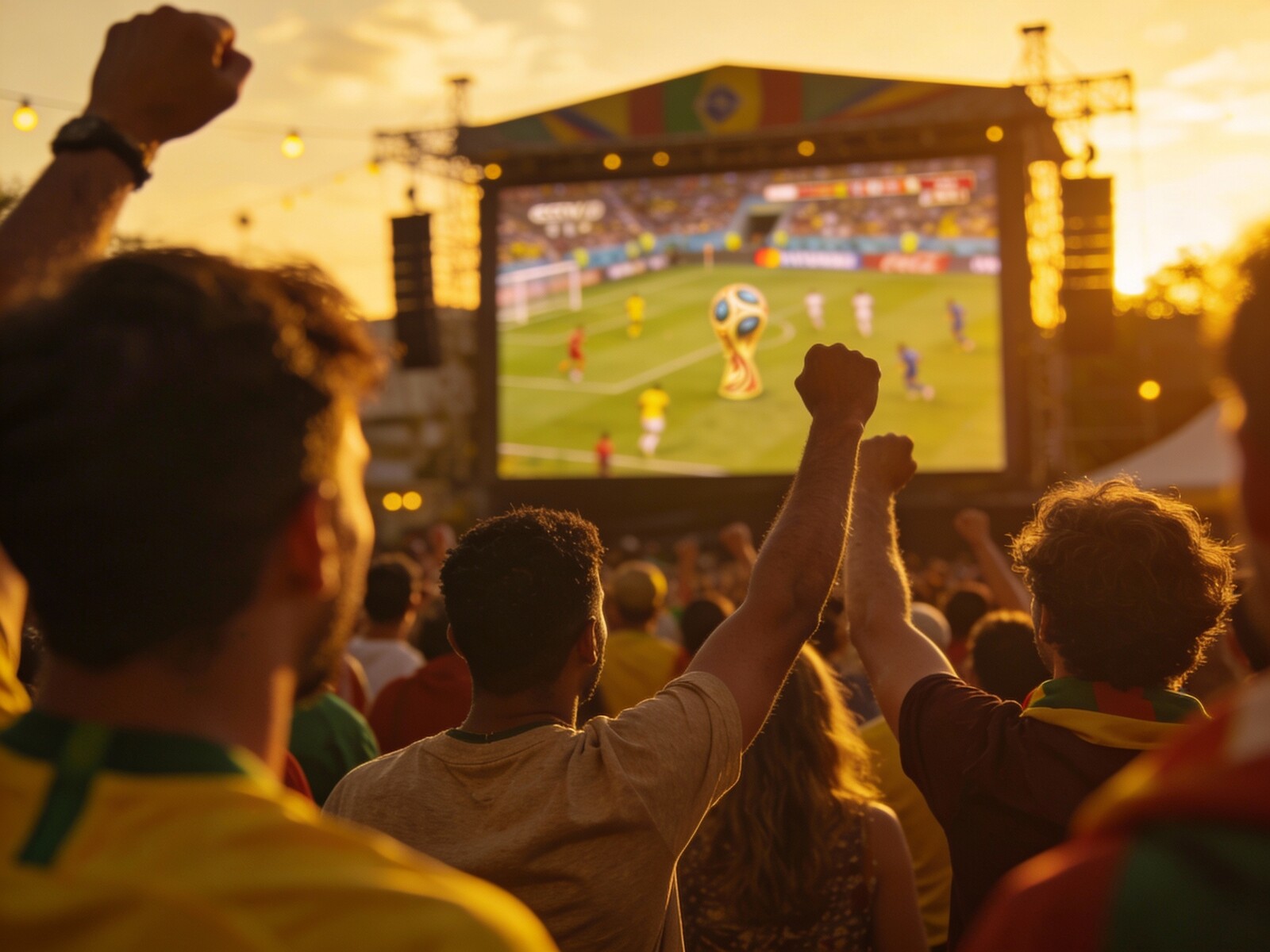
Introduction With the Football tournament capturing global attention, businesses are seeking innovative ways to engage audiences. A consulting firm tapped into the excitement by implementing a unique tactic: a prediction game. This case study explores how they used ‘fantasy football’—focused on predicting match outcomes—to create a buzz. ## Understanding Fantasy Football In this context, fantasy football (also known as a prediction game) involves predicting the outcomes of Football tournament matches. Unlike traditional fantasy football, which revolves around forming teams, this game centres on forecasting the results. This method offers a fun and engaging way for fans to interact with the tournament and each other. ## The Consulting Firm’s Approach ### Objective The firm aimed to harness Football tournament fervour to engage clients and employees. By organising a prediction game, they sought to: - Increase engagement with clients
- Foster camaraderie within the company
- Forge deeper connections with their brand ### Implementation Game Structure: Participants predicted match results throughout the tournament. Points were awarded for correct predictions, adding a competitive element. This method made match days more exciting and gave participants stakes in the outcomes. Platform Choice: The firm chose an online platform for ease of access and to accommodate global participants. Ensuring the platform was user-friendly was essential, enhancing participation. Promotion Strategy: To ensure maximum participation, the firm promoted the game through email newsletters, social media channels, and internal communications. This multidimensional approach ensured higher awareness and involvement. ## Success Metrics The outcomes surpassed expectations, with noticeable results: - Increased Engagement: The game saw participation from over 70% of their target audience. As a result, client and employee engagement spiked during the Football tournament period. - Brand Recognition: The initiative captured attention, leading to increased brand visibility. By associating with the Football tournament, the firm positioned itself as innovative and approachable. - Enhanced Relationships: Both clients and employees expressed appreciation for the effort. The game facilitated networking among clients and fostered better internal relationships. ## Conclusion By coordinating a prediction game during the Football tournament, the consulting firm not only generated buzz but also achieved strategic engagement goals. This case study illustrates the power of creative engagement strategies during global events. For those interested in organising similar events, focusing on ease of access, clear objectives, and proactive promotion is key. For further reading on effective engagement strategies, visit Harvard Business Review. ## Call to Action Try organising your own prediction game in upcoming global sports events. Whether for client engagement or employee interaction, the benefits can be substantial.