Case Study: How a Consulting Firm Used a Prediction Game to Create Football Tournament Buzz
By Dirk Menkveld on Tuesday, May 20, 2025
By Dirk Menkveld on Tuesday, May 20, 2025
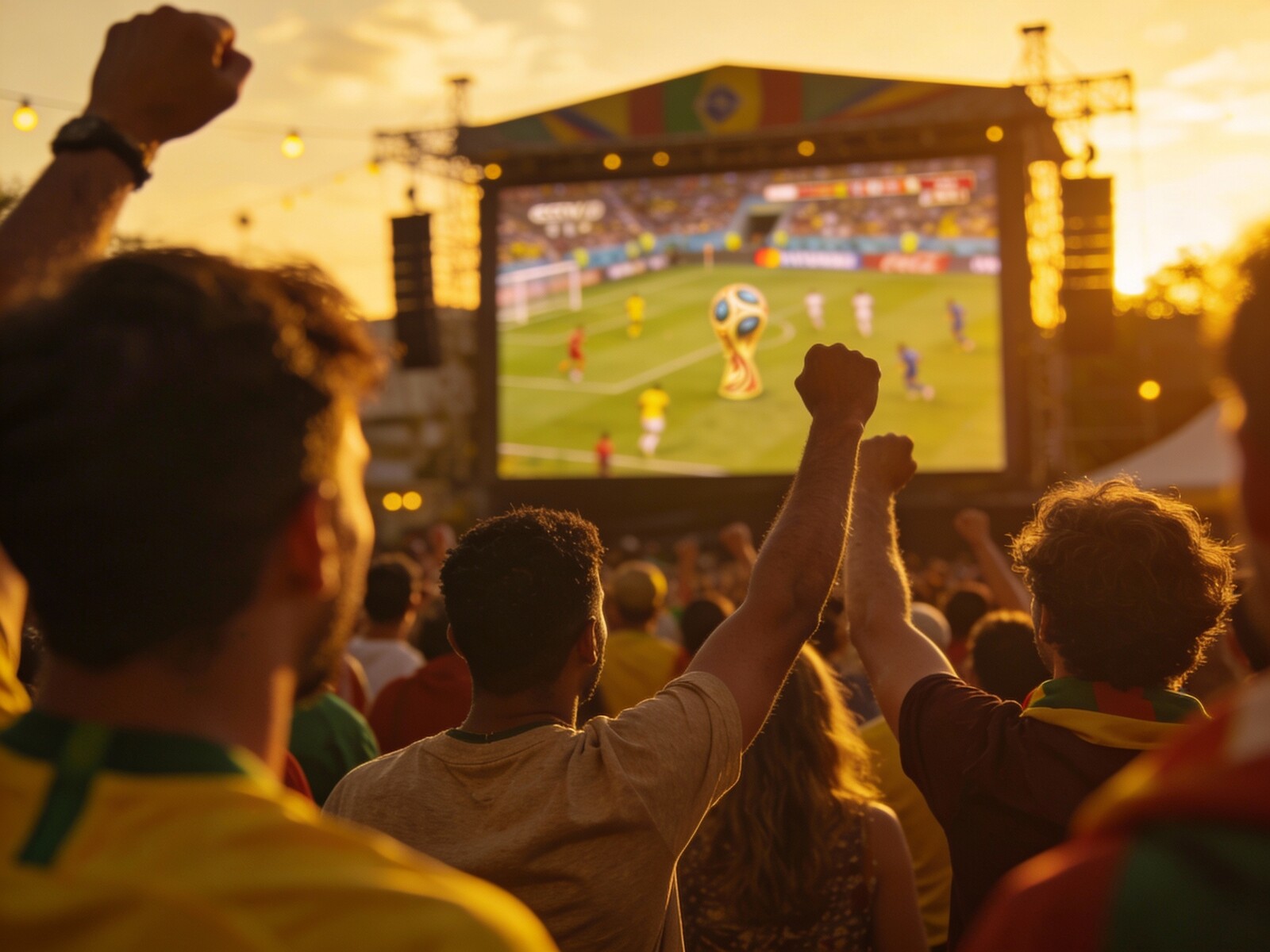
When the biggest international football tournament captures global attention, businesses look for creative ways to engage their audiences.
One consulting firm tapped into this excitement by launching a prediction game.
This case study shows how they used fantasy football (a prediction game)—focused on predicting match outcomes—to create buzz and strengthen relationships with both clients and employees.
In this context, fantasy football (also called a prediction game) means predicting match results, not building player teams.
Participants forecast:
This simple format offers a fun and social way for people to connect with the tournament and with each other.
The firm wanted to use the football tournament to engage both clients and employees.
Their main goals were to:
Game structure
Participants predicted match results throughout the tournament.
Points were awarded for correct predictions, adding friendly competition.
This approach made match days more exciting and gave everyone a reason to follow the games closely.
Platform choice
The firm selected an online platform so people could join easily from different locations.
A user-friendly design helped drive participation and reduced support questions.
Promotion strategy
To maximise reach, the firm promoted the game through:
This multi-channel approach ensured strong awareness and steady participation.
The results exceeded expectations:
Higher engagement
More than 70% of the target audience joined the game.
Client and employee interaction increased noticeably during the tournament period.
Improved brand visibility
The initiative attracted attention and positioned the firm as creative and approachable.
Stronger relationships
Clients and employees appreciated the effort.
The game encouraged networking and improved internal collaboration.
By running a prediction game during a major international football tournament, the consulting firm created excitement and achieved clear engagement goals.
This case study shows how simple, well-designed activities can make global events meaningful for business audiences.
For organisations planning similar initiatives, success depends on:
For more insights on building engagement through creative strategies, visit
Harvard Business Review.
Consider launching your own prediction game around upcoming international sports events.
Whether your goal is client engagement or employee interaction, a simple and fun competition can deliver strong results and lasting connections.